Why Apex Deck Builders Austin Delivers Quality Craftsmanship
Green Decking Alternatives: Environmentally Conscious Materials for Your Next Decking Project
Eco-friendly decking solutions practical advice are gaining traction by homeowners in search of eco-conscious choices. Such materials, such as reclaimed wood, bamboo, and composite options, provide both lasting strength and visual charm. Recognizing their effect on the environment is a key consideration. Considerations including harvesting methods and extended financial value carry considerable weight in the selection process. As homeowners explore these choices, they may find themselves questioning which option best aligns with their values and needs. The findings may transform their exterior living areas.
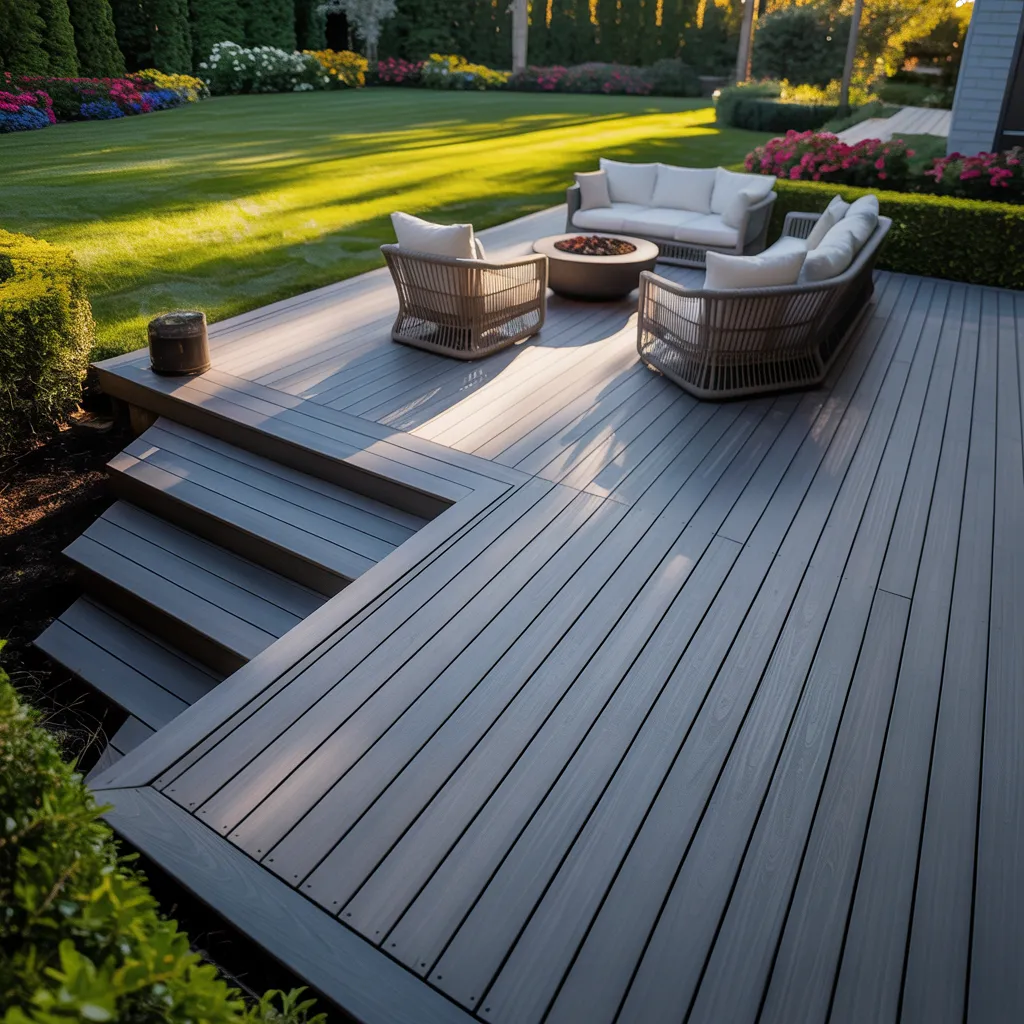
Everything You Should Know About Eco-Friendly Decking Materials
What should homeowners keep in mind when choosing environmentally friendly decking materials? First, sustainability is paramount; materials obtained from renewable sources, like bamboo or reclaimed wood, significantly lessen environmental harm. Furthermore, durability serves a critical purpose; materials with extended lifespans decrease replacement needs, ultimately saving resources over time. Homeowners should also examine the material's life cycle, from production and transportation to disposal, all of which can affect its overall sustainability. The potential for chemical emissions, such as volatile organic compounds (VOCs), is another consideration, as low-emission materials contribute to better indoor air quality. Moreover, aesthetic appeal and maintenance requirements should not be overlooked, as these factors can affect long-term satisfaction with the decking. Finally, cost-effectiveness is essential; while eco-friendly options may have higher upfront costs, their longevity and reduced maintenance can lead to savings in the long run.
Reclaimed Wood vs. Composite Decking: A Detailed Comparison
The debate between reclaimed wood and composite decking highlights key considerations related to environmental effects, longevity, and pricing. Every material carries its own strengths and weaknesses that can shape buyer preferences. Analyzing these factors is essential for making an informed decision in eco-friendly decking solutions.
Ecological Impact Evaluation
Even though reclaimed wood and composite decking both present notable benefits, their environmental impacts vary significantly. Reclaimed wood is sourced from old structures, limiting the requirement for new timber harvesting and lowering deforestation. Its use aids in protecting natural resources and advancing recycling efforts. However, its supply may be restricted and could result in transportation emissions.
Conversely, composite decking is made from a mixture of recycled plastics and wood fibers. Even though it redirects waste away from landfills, the manufacturing process can be energy-intensive and might include harmful chemicals. Furthermore, composite materials often have a longer lifespan, causing less frequent replacements. Ultimately, the decision between reclaimed wood and composite decking copyrights on weighing sustainability against practicality, factoring in elements such as resource sourcing and environmental impact.
Resilience And Long-Term Performance
When considering long-term performance and durability, these two decking materials offer unique benefits and drawbacks. Reclaimed wood, typically salvaged from aged structures and historic buildings, provides a distinctive visual appeal and solid structural quality. Nevertheless, it may be prone to warping, splintering, and insect-related damage when left untreated. In contrast, composite decking is engineered for resilience, resisting fading, moisture, and pests. Its engineered composition translates to minimal maintenance demands over time. While reclaimed wood can last decades with proper care, composite decking solutions generally offer warranties ranging from 20 to 30 years. Ultimately, the choice between the two depends on prioritizing natural charm versus long-lasting performance, with each material offering specific benefits suited to different project needs.
Cost Comparison Insights
Evaluating the cost implications of reclaimed wood and composite decking uncovers notable distinctions that can impact project decisions. This natural material typically presents a lower initial cost, especially if obtained from nearby suppliers, but may accumulate greater upkeep costs over time due to its susceptibility to weathering and pests. On the other hand, composite decking generally comes with a greater initial investment, representing its sophisticated production methods and extended lifespan. However, its reduced care needs can result in decreased overall spending. Residents must also evaluate likely appreciation factors; reclaimed wood often resonates with buyers seeking authenticity, while composite materials provide modern aesthetics. In the end, the choice between these materials rests upon financial planning and ongoing priorities for maintenance and appearance.
Modern Decking Solutions: Why Pick Bamboo?
Bamboo has become a compelling alternative for decking due to its quick cultivation and environmental benefits. Recognized for its exceptional durability and robustness, bamboo provides a perfect blend of visual charm and enduring performance. As homeowners seek eco-friendly solutions, bamboo's distinctive characteristics make it an exceptional choice in the world of decking.
Quick Growth Perks
As the demand for sustainable building materials rises, bamboo emerges as a compelling choice due to its impressive growth rate. This remarkable grass can achieve full maturity in just as little as three to five years, considerably ahead of traditional hardwoods, which may take decades to grow. Such swift renewal reduces the ecological footprint associated with deforestation and allows for more sustainable harvesting practices. Bamboo's high growth rate also means that large quantities can be cultivated in a relatively short time, delivering a sustainable resource that meets the growing industry demand. Additionally, its capacity to flourish across various climates and adjust to a range of soil types strengthens its attractiveness as a adaptable and sustainable alternative for decking projects, supporting greener building solutions.
Toughness And Longevity
Where standard decking materials commonly fail under environmental conditions, innovative alternatives like bamboo showcase impressive durability and strength. Bamboo, being a grass species rather than a timber, boasts a tensile strength that matches steel, rendering it extraordinarily resistant to wear and tear. Its natural properties allow it to resist moisture, mold, and pests, decreasing the dependency on chemical interventions. This durability establishes bamboo as a perfect option for outdoor uses where elemental exposure is unavoidable. In addition, bamboo's rapid growth cycle guarantees a sustainable supply, contributing to its eco-friendliness. With adequate upkeep and attention, bamboo decking is capable of enduring for decades, offering homeowners a long-lasting and attractive solution that meets both aesthetic and environmental needs.
Essential Maintenance Tips for Longevity of Eco-Friendly Decking
Maintaining eco-friendly deck materials is crucial for securing its durability and visual charm. Consistent cleaning efforts are fundamental; utilizing a light soap and water blend can effectively remove grime and buildup without damaging the surface. In addition, it is advisable to inspect for traces of mold or mildew, which can be common in humid conditions.
Sealing the decking every few years can also protect it from moisture and UV damage, maintaining its natural appearance. Additionally, proper ventilation is important; ensuring that the decking has adequate airflow helps prevent warping and decay.
Regularly checking for loose boards or nails is equally important, as they can create potential hazards. Finally, homeowners should avoid using harsh chemicals or pressure washing, as these practices can deteriorate the material with prolonged use. By following these maintenance tips, eco-friendly decking can remain a stunning and sustainable addition to any outdoor space.
How to Find the Ideal Eco-Friendly Decking for Your Outdoor Area?
Selecting the ideal environmentally friendly deck material involves thorough assessment of various factors that align with your aesthetic preferences and ecological principles. Initially, one should examine the available materials, such as reclaimed wood, bamboo planking, or composite alternatives made from reclaimed plastics. Each material offers notable qualities regarding durability, upkeep, and appearance.
Furthermore, geographic location and climate conditions are crucial elements. Some materials perform better in specific weather conditions, influencing longevity and safety. Moreover, assessing the environmental footprint of sourcing and manufacturing is critical; credentials such as FSC or LEED serve as indicators of sustainable practices.
Cost considerations also play a significant role, as sustainable choices can differ considerably in price. Finally, the intended use of the space should guide design and functionality, making certain that the selected decking satisfies both functional and visual requirements. By thoroughly evaluating these aspects, decision-makers can arrive at a knowledgeable choice that blends visual appeal with eco-conscious considerations.
Value of Sustainable Decking Solutions
Sustainable decking solutions offer numerous advantages that reach further than aesthetic appeal. Such products , often composed of environmentally conscious or reclaimed resources , significantly minimize environmental impact. By opting for green decking solutions , homeowners contribute to the conservation of forests and ecosystems , promoting biodiversity.
In addition, green decking materials usually provides improved durability and protection against weather damage, translating into lower maintenance costs over time. Numerous green decking options are engineered to endure severe weather conditions without requiring the use of dangerous chemicals, ensuring greater safety for both households and the surrounding environment.
Moreover, the adoption of sustainable decking can enhance property value, as an increasing number of buyers favor eco-conscious features in their homes. With a variety of styles and finishes on offer, these options can meet diverse design preferences while advancing a greener future. All things considered, opting for sustainable decking connects personal aesthetics with a commitment to environmental conservation, creating a balanced balance between beauty and conscience.
Common Questions and Answers
How Does Eco-Friendly Decking Impact Home Resale Value?
Sustainable decking can have a positive effect on a home's resale value, as buyers increasingly prioritize sustainable features. This appeal may lead to increased offers and expedited sales, highlighting a developing market shift towards environmentally conscious living choices.
Can Environmentally Friendly Decking Hold Up Against Harsh Weather Conditions?
Environmentally conscious decking can withstand harsh weather conditions, subject to the type of materials employed. Particular composite blends and processed woods are designed for durability, resisting moisture, UV rays, and temperature fluctuations, ensuring longevity in various climates.
What Is the Price Difference Between Eco-Friendly and Conventional Decking?
Cost disparities between traditional and eco-friendly decking options differ significantly. Green decking alternatives often have elevated initial price points due to sustainable materials, but durability and long-term maintenance savings can help balance these initial expenses for homeowners.
Do Any Certifications Exist for Sustainable Decking Materials?
A number of certifications can be found for eco-friendly decking products, including FSC, Green Seal certification, and the Cradle to Cradle certification. These certifications verify that products meet environmental standards and advance responsible procurement and manufacturing standards.
How Do I Go About Recycling Old Decking Materials in a Sustainable Way?
For the sustainable recycling of old decking materials, individuals can contact local recycling centers or construction waste facilities. Furthermore, transforming them into landscaping features, garden beds, or custom furniture pieces can maximize their lifespan while cutting down on landfill waste.